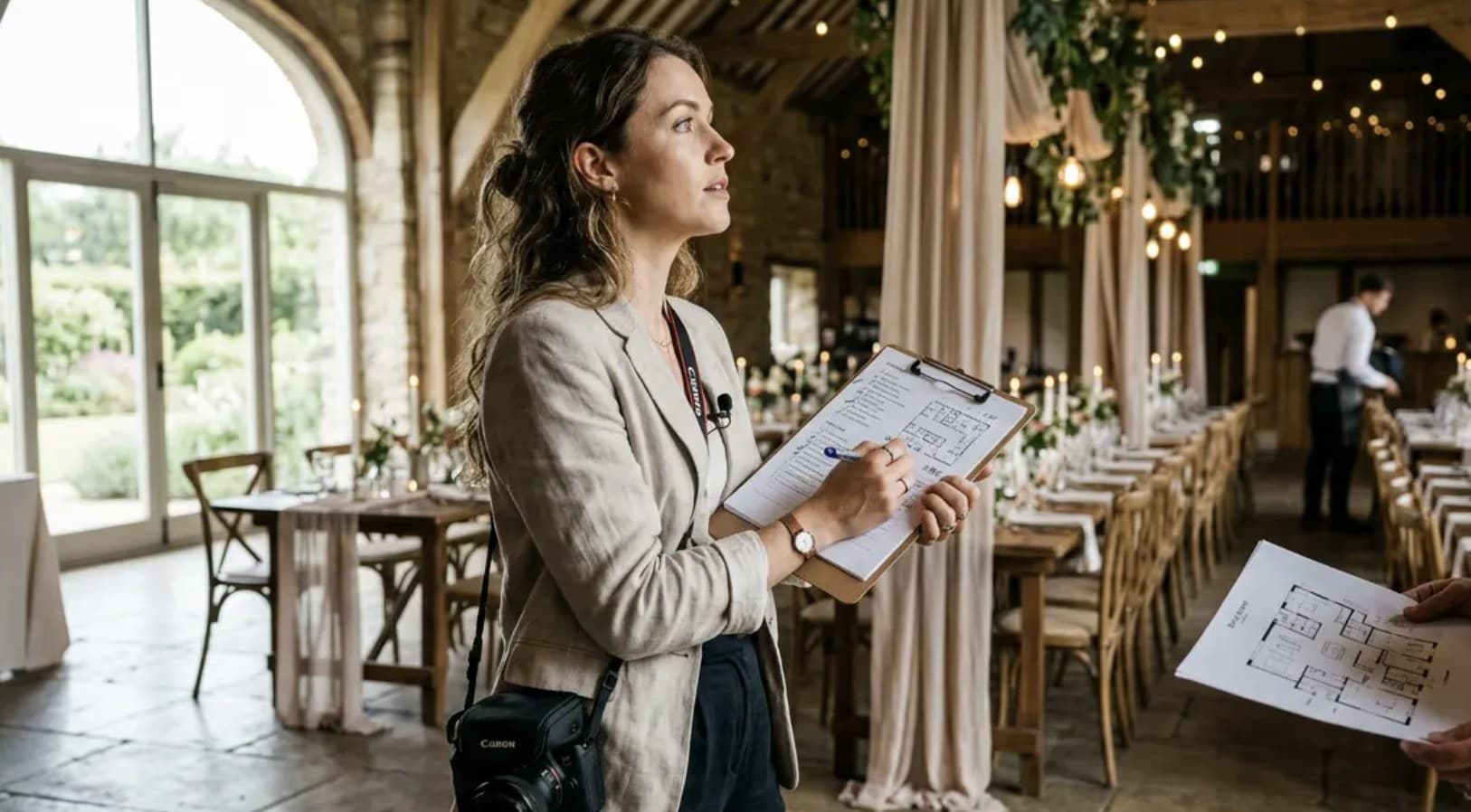
Understanding how wedding planners choose photographers can completely change how you market yourself. The honest answer: it has very little to do with your Instagram following and almost everything to do with how easy you are to work with, how reliably you deliver, and whether recommending you makes the planner look good in front of their clients. Get those three things right, and referrals start flowing without you ever sending another cold pitch.
TL;DR
- Wedding planners prioritize reliability, communication, and professionalism over portfolio prestige—your behavior on the wedding day matters more than your feed.
- Fast photo delivery and guest-friendly galleries give planners a concrete reason to keep recommending you, because your work helps their marketing too.
- Building planner relationships is a long game built on genuine connection, not kickbacks or cold emails—show up for them before you need anything in return.
How Wedding Planners Choose Photographers: The Real Criteria
Most photographers assume planners scroll through portfolios and pick whoever has the prettiest feed. That's not how it works. A planner's reputation is on the line every time they recommend a vendor, so they're not just vetting your images—they're vetting you.
Think about it from their perspective. If they send a couple to a photographer who shows up late, ignores the timeline, or delivers photos four months after the wedding, that reflects on the planner. Their clients trusted their recommendation. So when a planner builds their shortlist, they're asking one question above all others: will this photographer make me look good?
Reliability Beats Talent Every Time
This is the uncomfortable truth that nobody in the photography education space talks about loudly enough. A planner would rather recommend a technically solid photographer who is a dream to work with than a visionary artist who creates chaos on the wedding day. Talent gets you noticed. Reliability gets you recommended—repeatedly.
What does reliability look like in practice? It means responding to emails within 24 hours during the planning process, showing up to venue walkthroughs when you say you will, flagging timeline concerns early rather than improvising on the day, and never—ever—going rogue on a shot list without communicating first. Planners notice all of this, and they remember it.
Your Behavior on the Wedding Day Is Your Real Portfolio
A planner watches everything on a wedding day. They see how you interact with the couple when emotions run high, how you handle the groomsman who won't cooperate for family formals, and how you respond when the ceremony runs 25 minutes late and the golden-hour window is shrinking fast. Your images are what couples fall in love with, but your behavior on the day is what planners evaluate.
The photographers who consistently land on preferred vendor lists are the ones who make the planner's job easier. They communicate proactively about what they need—a quiet room for getting-ready shots, five minutes with the couple before the reception—rather than demanding it last-minute. They introduce themselves to the catering manager and the DJ at the start of the day. They solve problems quietly instead of escalating them. This kind of professionalism is rare, and planners notice it immediately.
If you want to audit how your workflow holds up under pressure, it's worth reading about building a bulletproof event photography workflow that keeps you calm and organized when the day doesn't go to plan.
The Delivery Speed Factor Nobody Talks About
Here's something most photographers don't consider: when you deliver a stunning gallery quickly, the couple shares it with their planner almost immediately. That means the planner sees your best work while the wedding is still fresh in everyone's mind—and they're reminded exactly why they recommended you. When you take three months to deliver, that moment evaporates.
Fast delivery also helps planners with their own marketing. They need real wedding images for their website, social media, and submissions to wedding publications. A photographer who delivers within two weeks is a planner's dream collaborator. One who takes four months is a bottleneck. Understanding the case for a 48-hour wedding photo delivery window can give you a serious competitive edge in markets where planners are actively looking for photographers who move quickly.
How You Share Photos with Guests Matters More Than You Think
This one surprises photographers when they first hear it, but planners care deeply about the guest experience—because guests are future clients for everyone involved. When a wedding guest can't easily find photos of themselves from the event, they don't blame the planner or the couple. They just quietly have a worse experience.
Photographers who use modern, guest-friendly delivery tools stand out. When guests can scan a QR code at the reception or use AI face search to find every photo they appear in, the whole event feels more elevated—and the planner gets credit for curating a team that thought of everything. If you haven't explored how QR code wedding photo sharing works in practice, it's worth understanding how this small detail can become a meaningful differentiator in planner conversations.
Tools that let every guest find their own photos instantly—rather than scrolling through 800 images hoping to spot themselves—create the kind of word-of-mouth that benefits everyone. Planners talk to each other. When one planner's clients rave about how easy it was to find their photos, other planners start asking which photographer made that happen.
Building the Relationship Before You Need It
The biggest mistake photographers make is reaching out to planners only when they need bookings. Planners can feel a transactional pitch from a mile away, and it immediately positions you as someone who wants something rather than someone who offers something. The photographers who build lasting planner relationships start long before they need a referral.
What does this look like? Tag planners thoughtfully when you post work from their events—not just a generic mention, but a genuine acknowledgment of something specific they did well. Share their content when it's genuinely good. If you attend an industry networking event and a planner is speaking, introduce yourself afterward with a specific question about their work, not a pitch about yours. Send a handwritten note after your first wedding together, thanking them for the smooth coordination. These gestures cost almost nothing and they compound over time.
When you do reach out cold, lead with curiosity instead of selling. Ask what types of couples they work with most, what challenges they run into with photographers, and what would make their job easier. Then actually listen to the answers and adjust how you present yourself accordingly. This approach is explored in depth in our post on building a referral pipeline with wedding planners—it's one of the highest-leverage things you can do for your business.
What Planners Are Actually Looking at in Your Portfolio
When a planner does look at your work, they're not just admiring beautiful light. They're scanning for specific things that tell them whether you're a good fit for their clients and their events.
First, they want to see consistency. A highlight reel of your ten best shots is less convincing than a full gallery from a single wedding that shows you can maintain quality from getting-ready through to the last dance. Ask planners what they want to see and you'll hear this answer almost every time: show me a complete wedding, not just the greatest hits.
Second, they look at whether your style matches the types of couples they serve. A planner who specializes in luxury ballroom weddings and a photographer who shoots exclusively dark, moody editorial work may not be the right fit—even if both are exceptional at what they do. Understanding current raw vs. polished wedding photography aesthetic trends helps you articulate your style clearly so planners can quickly assess whether you're right for their client base.
Third, they look at reviews. Not just star ratings, but the specific language couples use. When reviews say things like "our planner loved working with them" or "they kept everything on schedule," that's gold. It tells the planner that other planners have had a good experience with you—which is exactly the social proof they're looking for.
The Preferred Vendor List: How It Actually Works
Most venues and planning companies maintain some version of a preferred vendor list, but these lists work very differently depending on who's running them. Some are purely merit-based—earned through repeated positive experiences. Others have a pay-to-play element where photographers contribute to styled shoots or advertising in exchange for inclusion. And some are genuinely just personal relationships that developed organically over years of working together.
Before you pursue any specific list, understand which type it is. Paying for inclusion on a list where the planner doesn't actually believe in your work is a short-term play that rarely converts into real bookings. The couples will sense the mismatch during their consultation. The lists worth being on are the ones where the planner would recommend you enthusiastically even if there were no financial arrangement—because those referrals come with genuine endorsement, and endorsed leads close at a dramatically higher rate.
If you're thinking about how to structure your overall client acquisition strategy beyond planners, our post on why wedding photographers lose clients covers the blind spots that quietly drain your pipeline even when your marketing looks healthy.
Making the Planner Look Good Is the Whole Game
Everything in this post comes back to one idea: the photographers who get consistent planner referrals are the ones who make planners look brilliant for recommending them. That means delivering images that make couples cry happy tears, creating a guest experience that feels effortless and modern, communicating in a way that reduces the planner's stress rather than adding to it, and handling every difficult moment on the wedding day with quiet professionalism.
When you nail all of that, you don't need to pitch planners. They pitch you—to every couple who asks who they should hire for photography. That's the referral flywheel that the most successful wedding photographers have built, and it starts with understanding exactly what planners are looking for beneath the surface.
If you want a tool that helps you deliver a guest experience planners will genuinely rave about—from instant photo sharing to AI face search that lets every guest find their own photos in seconds—explore what FindMe Photo can do for your wedding photography business. When guests leave a wedding talking about how amazing the photo experience was, planners notice. And that conversation is worth more than any cold email you'll ever send.
Frequently asked questions
How do I get on a wedding planner's preferred vendor list?
Start by reaching out personally—not with a generic pitch email. Offer to meet for coffee, send a genuine compliment about a recent wedding they coordinated, or tag them thoughtfully on social media. Once you've connected, make it easy for them to recommend you by delivering consistent results, communicating proactively on wedding days, and making planners look good in front of their clients. A preferred vendor list is built on trust, not transactions.
Do wedding planners get a referral fee from photographers?
Some do, some don't—and this varies widely by market and planner. Many high-end planners explicitly refuse kickbacks because it compromises their credibility with clients. If a planner asks for a referral fee, weigh it carefully. A better long-term strategy is to build a genuine relationship where the planner recommends you because you make their events run smoothly, not because you pay them to.
What do wedding planners look for when recommending a photographer?
Reliability comes first—planners need to know you'll show up, communicate clearly, and handle unexpected situations without creating drama. After that, they look at your portfolio consistency, your ability to work with other vendors professionally, how quickly you deliver photos, and whether past couples have been happy. Your personality and how easy you are to work with on the day itself matters just as much as your images.
How do I approach a wedding planner I've never worked with?
Skip the cold pitch and lead with value instead. Comment genuinely on their recent work, share one of their events on your social channels and tag them, or send a short, specific email that references something you admire about how they run their events. Ask for a 20-minute call to learn about the types of couples they work with—not to sell yourself. Planners can smell a sales pitch instantly, and curiosity opens more doors than a brochure ever will.
How important is fast photo delivery to wedding planners?
Extremely important—and more than most photographers realize. When you deliver a beautiful gallery quickly, the couple shares it with the planner, who then sees your work while the excitement is still fresh. Planners also use real wedding images for their own marketing, so a fast turnaround helps them too. Photographers who consistently deliver within 48 hours to two weeks stand out sharply from those who take two to three months.
Browse by topic
The new photo gallery for pro event photographers.
Expand your reach: 10× more guests open your galleries.
Why the whole room opens it
One link per event. No signup, no login, no app for your guests. Designed for mobile and access on the go.

Their face is their password. A selfie finds their photos in under 2 seconds. Selfie Search comes in every plan, including Free+.
They share it, or buy from your store. Your prices, your brand, your customers. Set up your store for digital and/or print copies connected to your Stripe.
Open your Free+ account today, with the top premium features included, and onboard the fastest, coolest way to share your galleries.